Be yourself; Everyone else is already taken.
— Oscar Wilde.
This is the first post on my new blog. I’m just getting this new blog going, so stay tuned for more. Subscribe below to get notified when I post new updates.
Be yourself; Everyone else is already taken.
— Oscar Wilde.
This is the first post on my new blog. I’m just getting this new blog going, so stay tuned for more. Subscribe below to get notified when I post new updates.
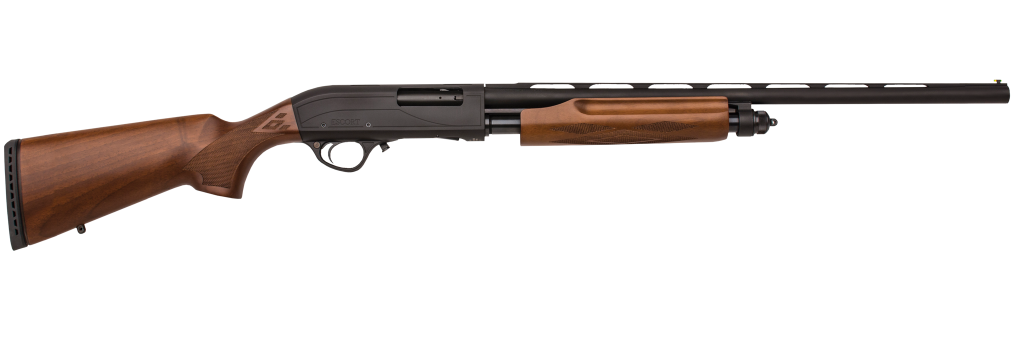
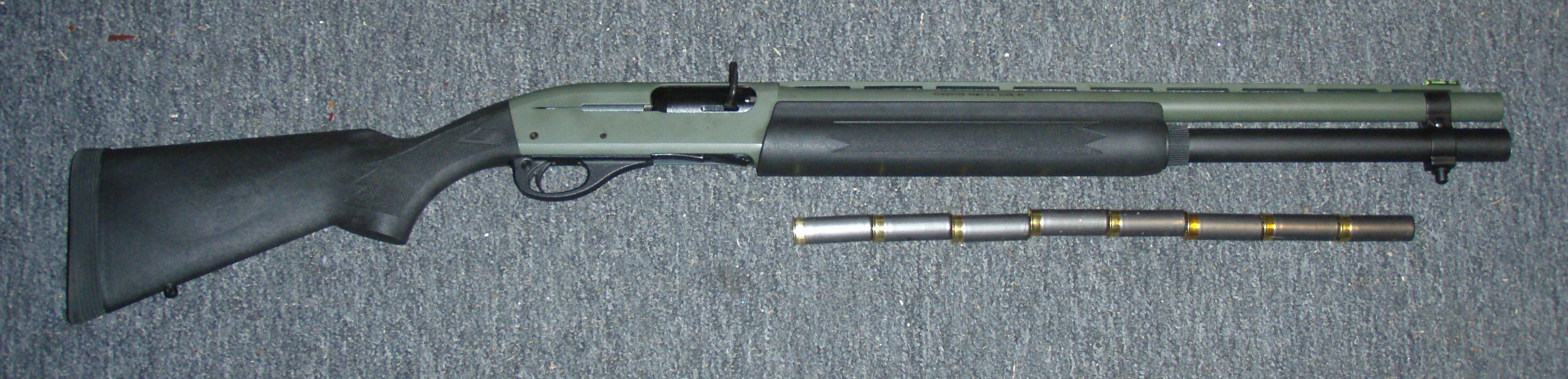
Pump and semi auto shotguns are very different and is mainly an opinion on which one your like better. My personal preference is a pump shotgun. The pros to pumps are they are cheaper, less chance of jamming, and for me I tend to take my time on my shots and dont rush my shots like I would with an automatic. People like semi autos because they are usually a smoother running gun. You dont have to put any motion to rack your next shell which might make your shots more accurate since you are moving less.
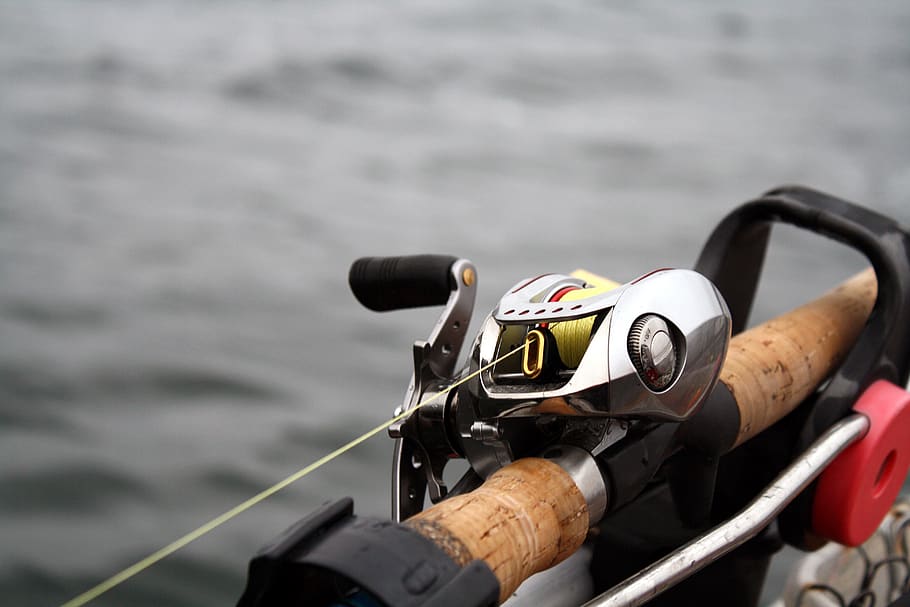
There are 3 types of reels for open water fishing, a spinning reel, a spincast reel, and a baitcast reel. The most common in a spinning reel. My favorite type of reel is the baitcast. These usually run up on the pricing but are defiantly worth it in my opinion. Using a baitcast reel gives you the most control on precisely casting your bait or lure. A spincast reel is the cheapest type of reel. Usually these types of reels are used for beginners simply because they are cheap and easy to throw. If you are looking into open water fishing and want a good reel definitely go for the baitcast reels.
Open water fishing its a lot different than ice fishing. You can fish the whole lake instead of just a 8 inch hole. There are many different ways to fish a lake. You can troll and pull plugs behind a boat if you want to cover a lot of ground. You can cast off a dock or of a point. My favorite if throwing jigs into a stream of moving water. Especially in the spring because most of the ice isn’t off the lakes yet so fish go to the open spots where the water is moving.

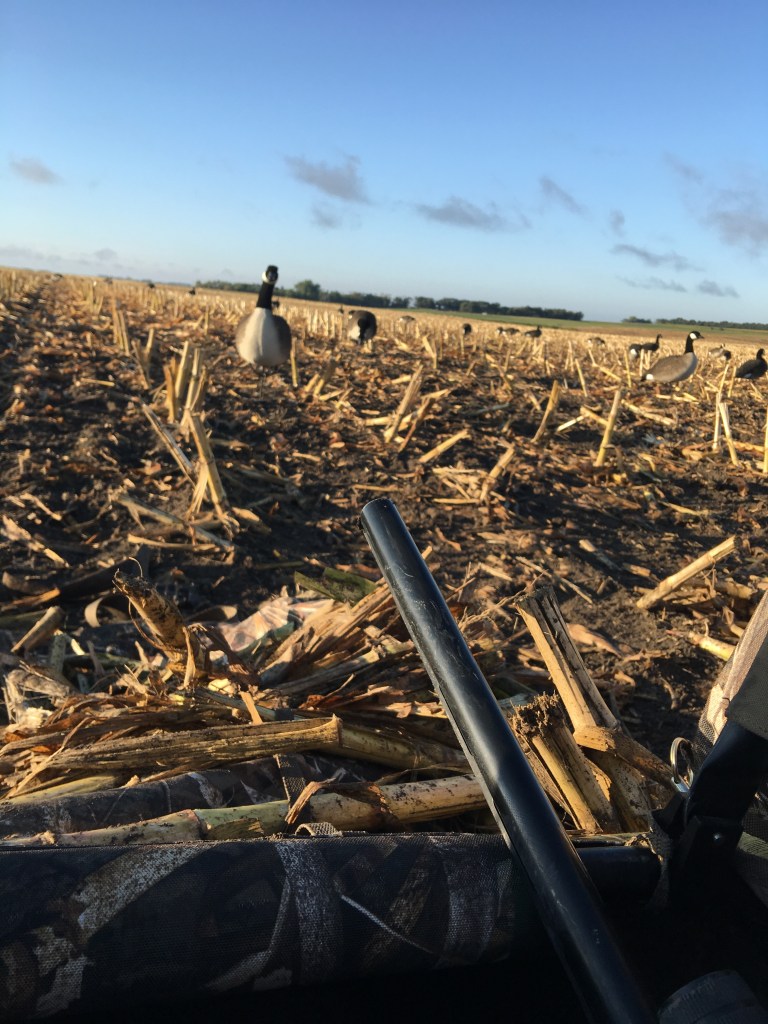
There are a lot different types of decoys you can use. There are sock decoys that are mounted on a stick and poke into the ground. There are full body decoys that sit on a stand and are the similar size as the bird and they are 3D. There are also silhouette decoys that are similar to socks but don’t give off any sort of motion. All decoys work well. Socks especially work well in windy weather and give off motion. Silhouettes are the easiest to haul and are the lightest. Full body look very realistic but are difficult to haul around.
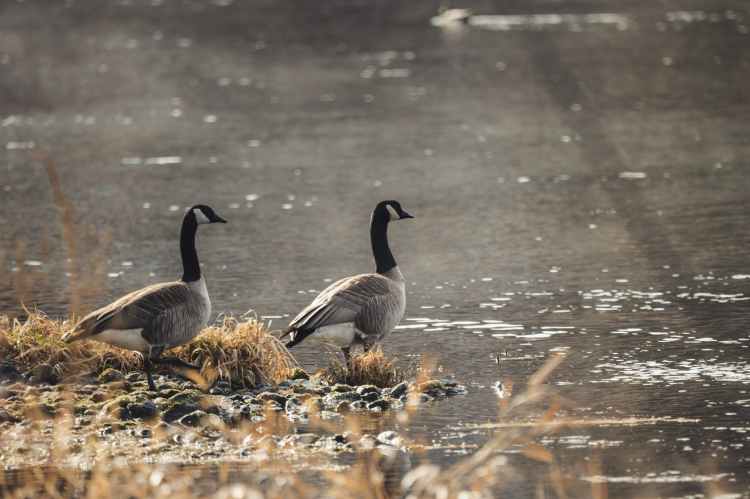
There are a few ways of scouting for geese. Finding flyways is an easy way to find where the geese are feeding. Look for the roost and what fly patterns they are taking. Another way to find geese is driving around with binoculars and looking over the horizon. Once you spot geese fly to the field and see if they are feeding in the field. When you find the field that is where you will want to set up your decoy spread and hunt.

To get a fishes attention you want to start with heavy long jigs. Once you have got them in, light and quick jigs will keep them interested. Sometimes they don’t like jigging and you will just dead stick.
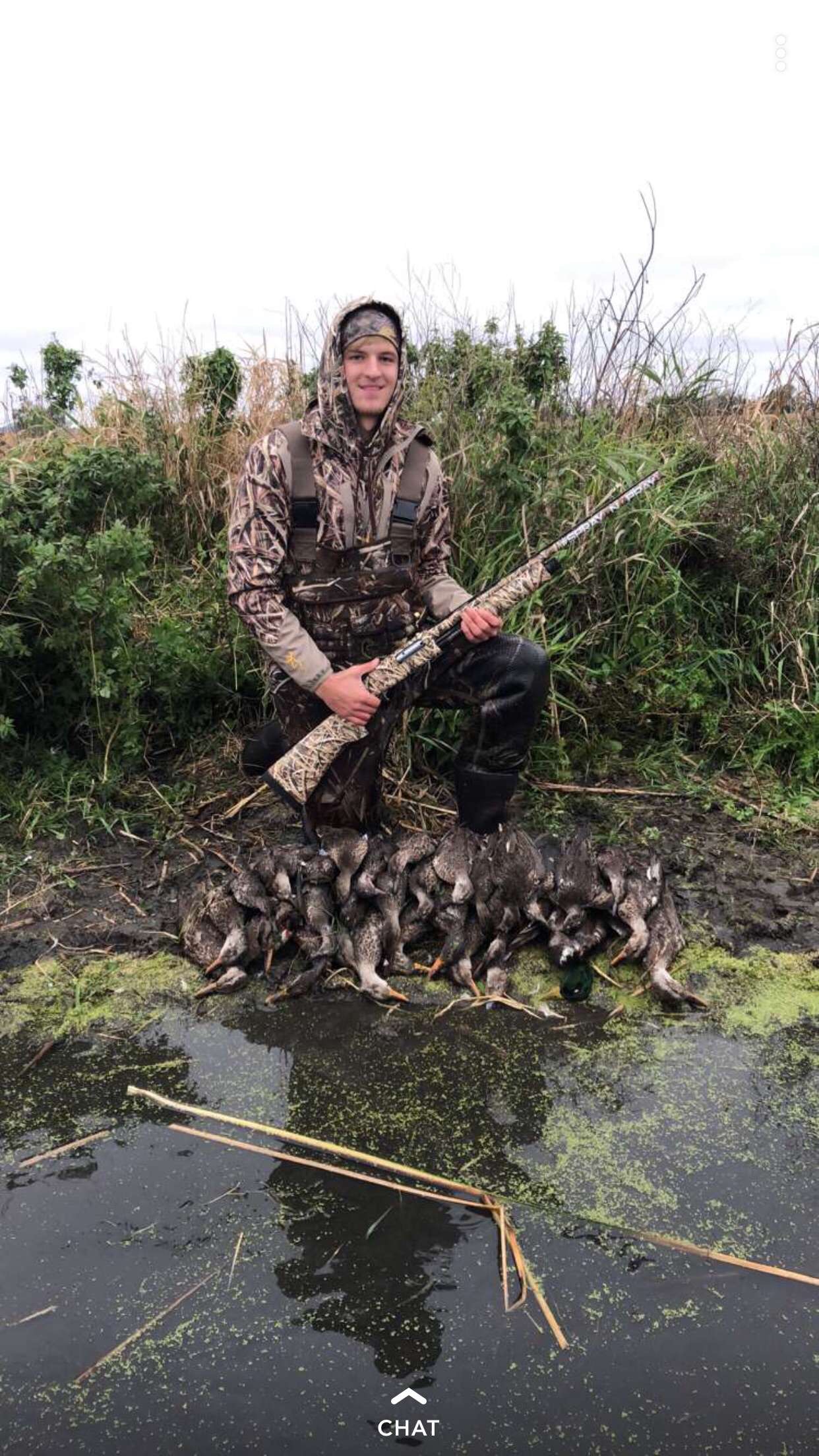
Chokes are screwed in the end of the barrel of shotguns to improve performance. Choke tubes shape the spread of the shot. Depending on what type of tube you have you can modify your spread pattern tighter or have a larger spread depending on what you want. In my opinion you don’t want to use full lead chokes with steel shot. Having a full choke will make your BB constriction very tight tight. An Improved Cylinder for a skeet choke is best for ducks and geese that are close. If the birds are farther out, a modified choke tube is better.
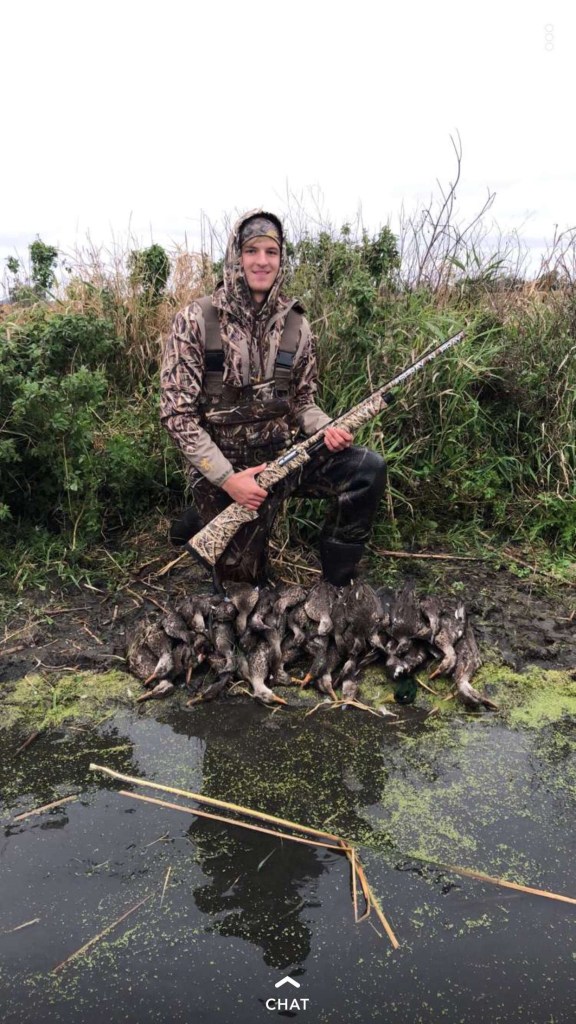
When you are hunting ducks or geese you want to know where the birds are comfortable landing at. The best way to do this is scouting. Scouting consists of driving around following the birds flying patterns. Once you find the birds in the sky follow them to the field they want to land and feed at. Mark that exact point in the field wherever the birds are landing. The morning or night of the hunt go to the same location the birds were landing and depending on which way the wind is from determines what way you want to face and set up your decoys. Pro tip *birds land into the wind.
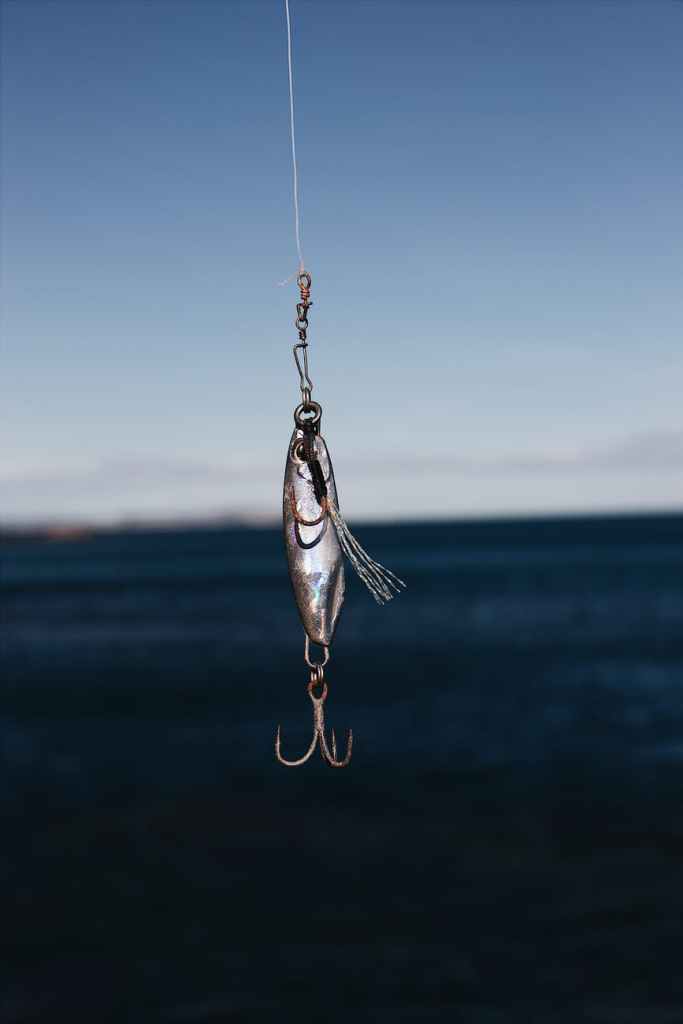
Whenever I ice fish I start of my day jigging with a bigger presentation like a buckshot or a jigging spoon. This will get the fish excited and you can also tell what the fish will like. If that is working and you are getting a lot of bites, you will want to keep that bigger jig on since it is obviously working. But, if you are marking a lot of fish but they are not biting you will want to switch to a smaller presentation and finesse the fish more. Using this smaller jig head will encourage the fish to bite since it is smaller than that jigging spoon. When I get small jigs I buy frostbite tungsten jigs. Having tungsten is very important because they are more dense than led and will sink to the bottom faster. They also have a lot more feel and that will help you catch fish with a lighter bite.
I have been Ice fishing for many years and have fished with many different types of rods and reels. On the cheaper end of the spectrum on rods is an Eagle Claw or a Shakespeare combo. They work alright but the feel for bites is very different compared to a more expensive rod. From my personal experience I only run 13 Fishing rods and reels. The best rod for Walleye in my opinion is the 13 Fishing Widow Maker 28″ ML. For trout you will want a longer rod either in the 36″ to the longer 42″. You will want a longer and heavier rod since a trout is larger than a walleye. A 13 Fishing Widow Maker 38″ MH will be your best bet for Lake Trout fishing.

 Cades Outdoor Opinions